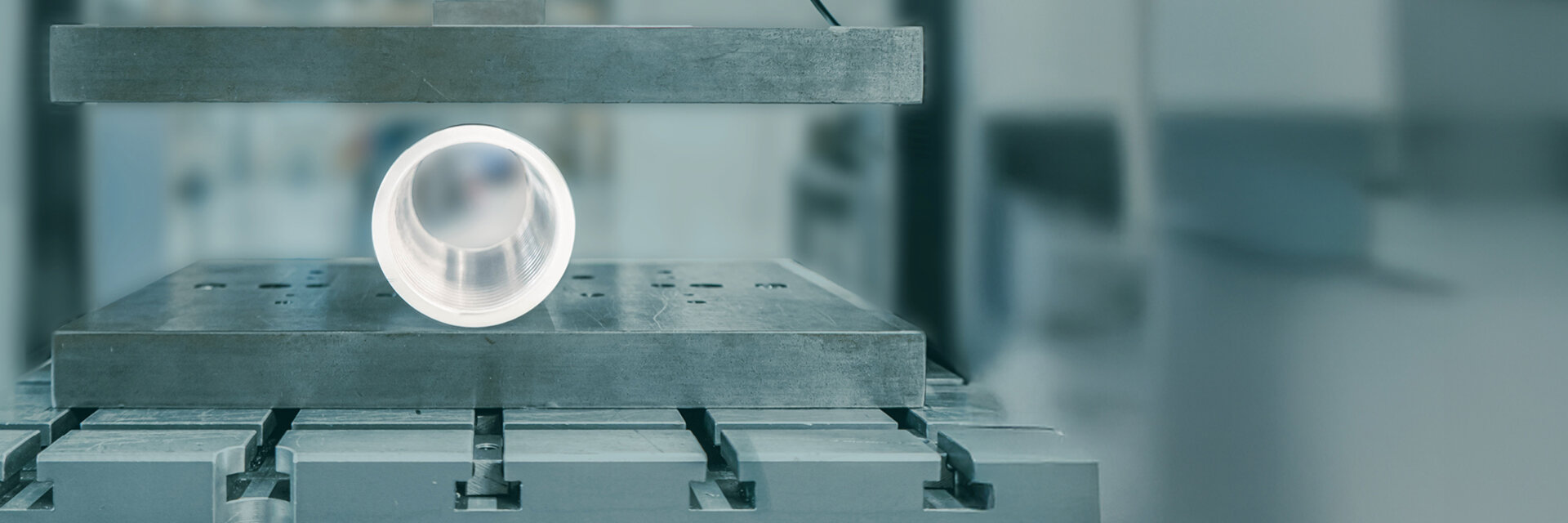
In the Black Forest region of southwest Germany, the performance of every Zehnder Air Distribution & Ventilation Duct System begins long before installation. At the Zehnder Test Lab in Lahr, Air Distribution components are developed, validated and continuously tested under controlled conditions.
From material behaviour and pressure loss to mechanical strength and long-term durability, every detail is tested to ensure the complete system performs consistently.
The result: reliability installers can depend on, predictability planners can specify with confidence and repeatability for serial construction.
Because Reliability, Predictability and Repeatability are not simply product features – they are engineered
and tested into every Zehnder Air Distribution component.
Tested for strength. Built for lasting reliability.
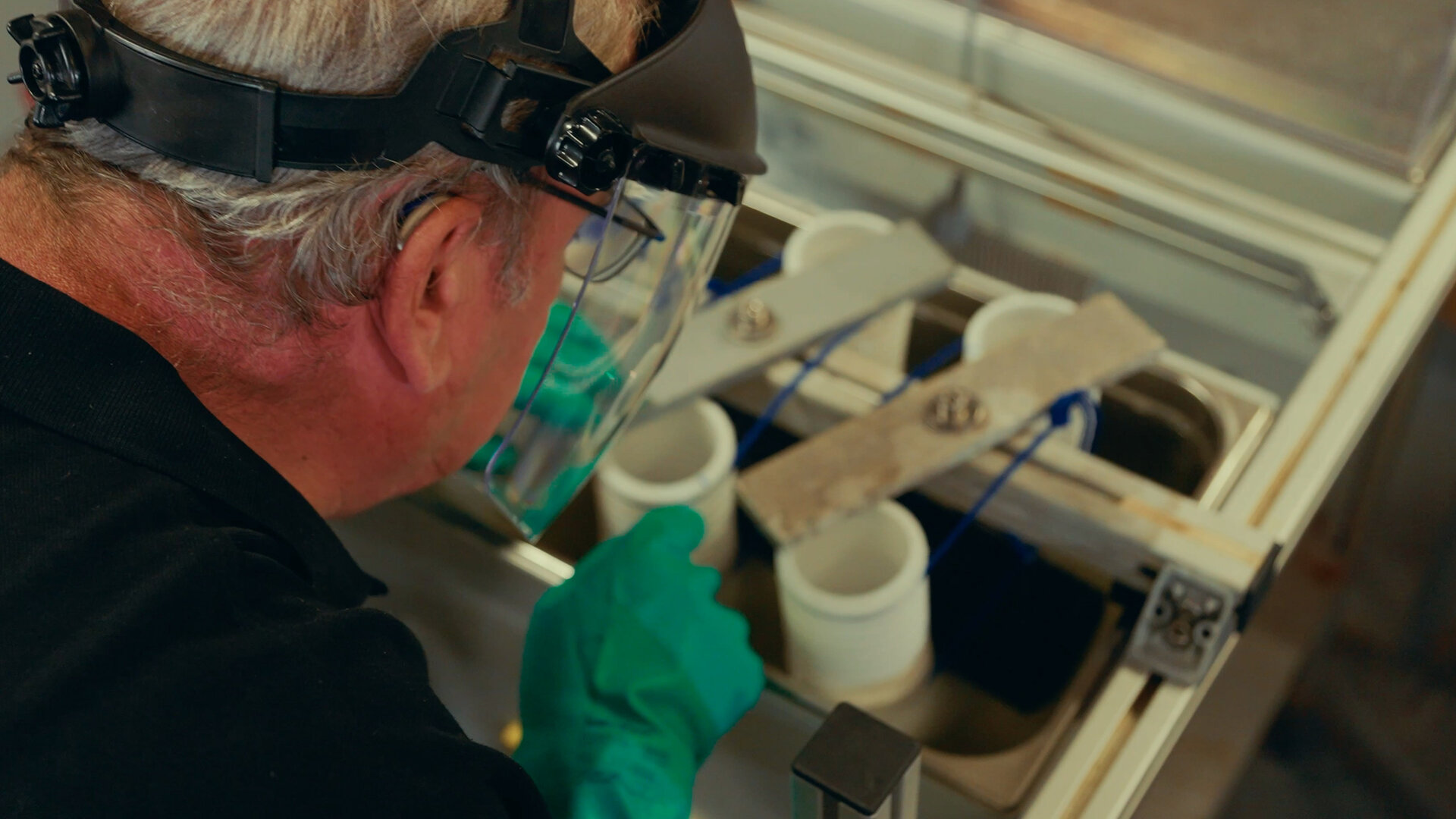
For installers
What it means for you:
Secure connections, fewer installation uncertainties, and confidence
that the job only needs to be done once.
Reliability means knowing that every component will remain secure and perform as intended – during installation and throughout its service life.
At the Zehnder Test Lab in Lahr, Air Distribution components undergo tension and compression testing to verify their resistance to the mechanical forces they encounter in real-world applications.
This helps ensure robust connections, durable installations and lasting component performance.
In the video, Marc Fries demonstrates how systematic testing makes reliability an integral part of the Zehnder Air Distribution System – so the job only needs to be done once.
Tested for stability. Built for predictable performance.
Predictability means knowing that components will perform as expected – from specification and installation throughout their service life.
At the Zehnder Test Lab in Lahr, Air Distribution components undergo thermal cycling testing to verify that changing temperatures do not compromise their stability or performance over time. This helps ensure consistent component behaviour and gives planners confidence in the performance they calculate and specify.
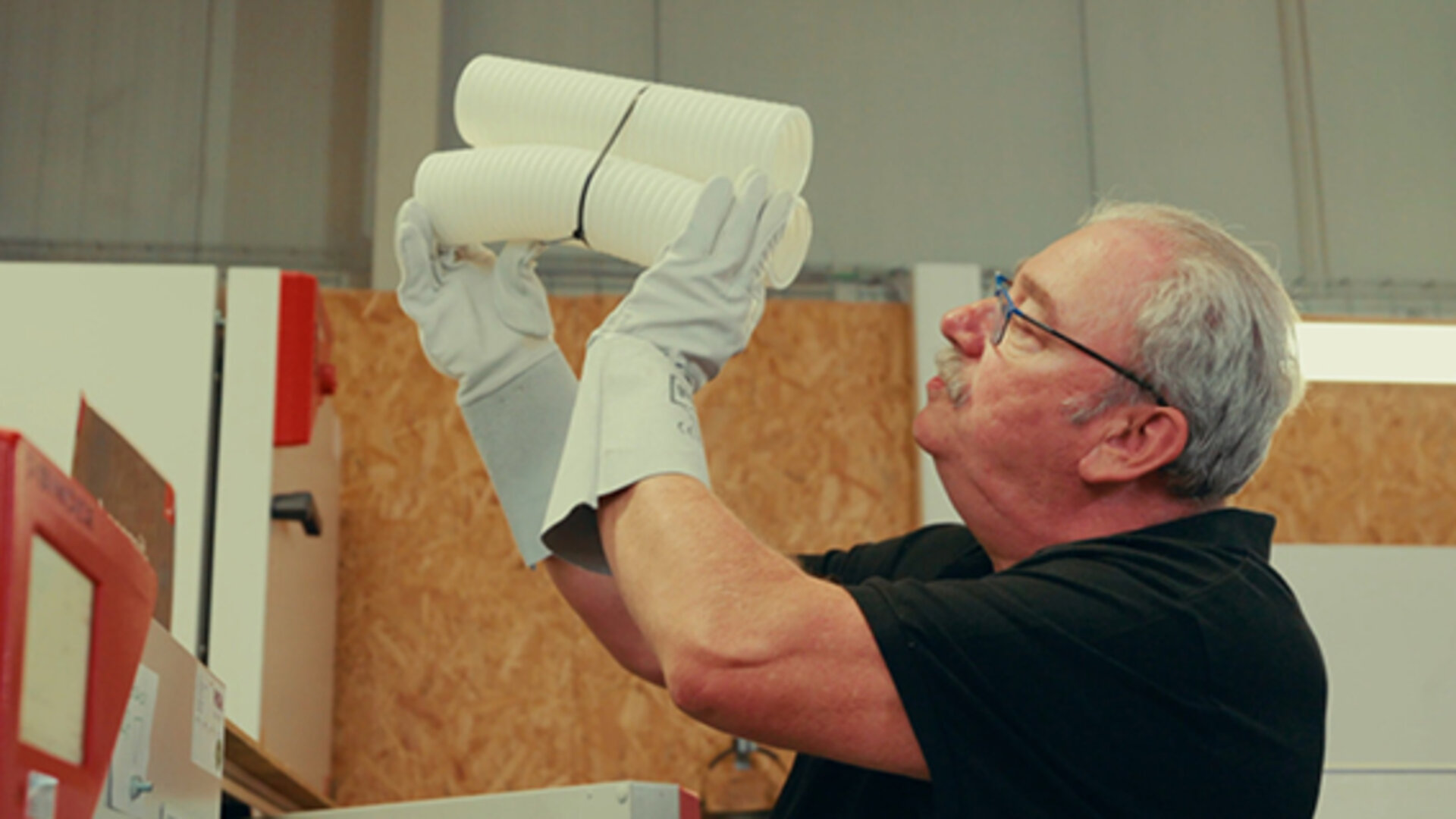
In the video, Marc Fries demonstrates how systematic testing makes predictability an integral part of the Zehnder Air Distribution System – so what you plan is exactly what gets built.
For planners
What it means for you:
Confidence that what you calculate is what gets installed.
Tested for consistency. Developed for serial application.
Repeatability means tested for consistency. Developed for serial application means knowing that standardized components deliver consistent quality and performance – from the first module to the last unit.
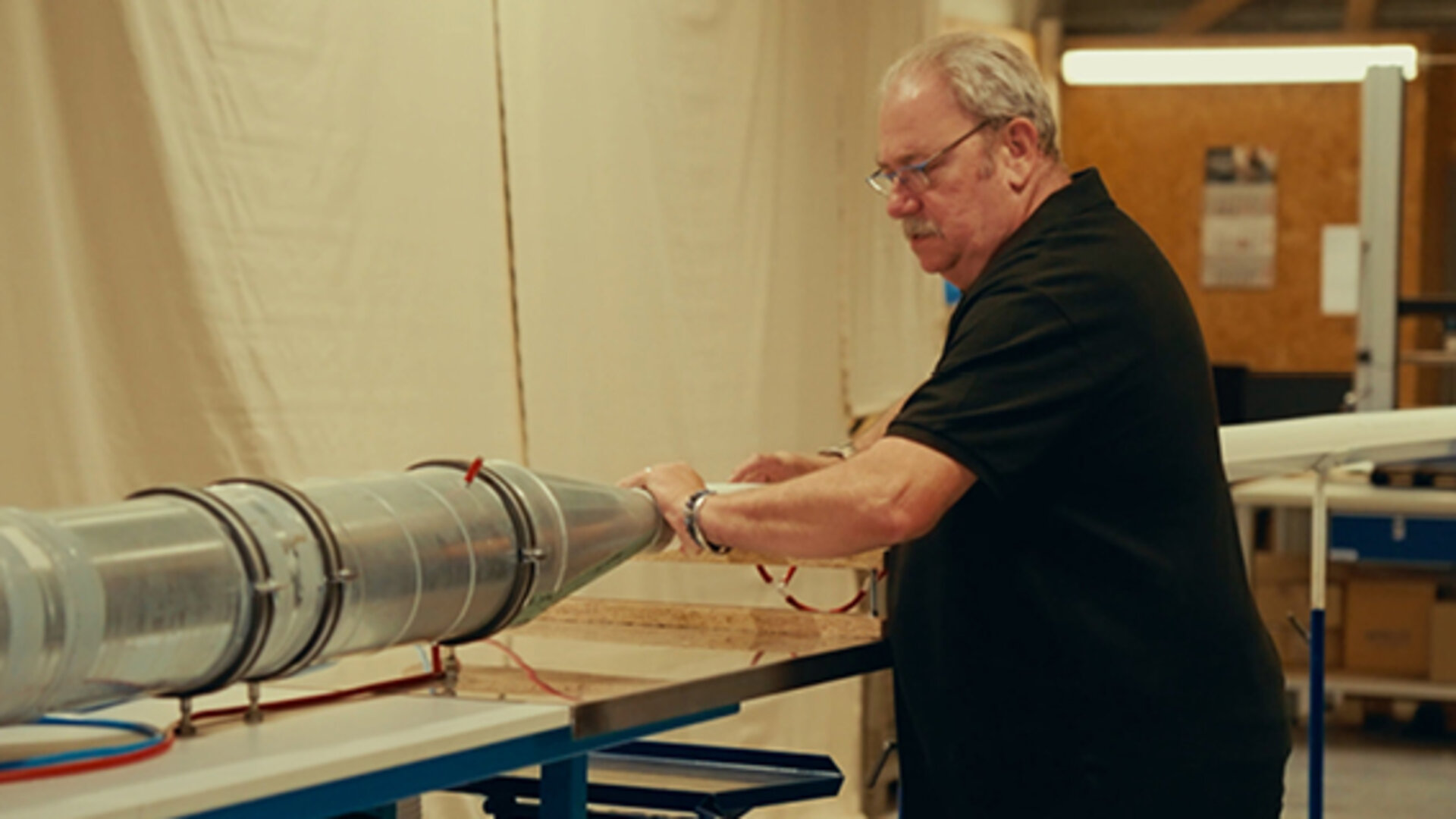
At the Zehnder Test Lab in Lahr, Air Distribution components are validated through pressure drop testing to verify consistent airflow characteristics. This helps ensure consistent component performance across serial applications and enables the same system solution to be reproduced with confidence, project after project.
In the video, Marc Fries demonstrates how systematic testing makes repeatable quality an integral part of the Zehnder Air Distribution System – from the first module to the last unit.
For prefab and serial construction
What it means for you:
The same quality and performance, from the first unit to the last.
Marc Fries, Zehnder Test Lab Lahr
No single test can prove the quality of an entire Air Distribution System.
That is why Zehnder validates its components through a comprehensive range of tests at the Test Lab in Lahr.
From materials, airtightness and airflow to mechanical strength, ageing and complete system assembly,
each test examines a different aspect of component and system performance.
Together, they form a systematic approach to quality – helping ensure that every Zehnder Air Distribution component performs as intended,
works reliably within the complete system and continues to do so over the long term.
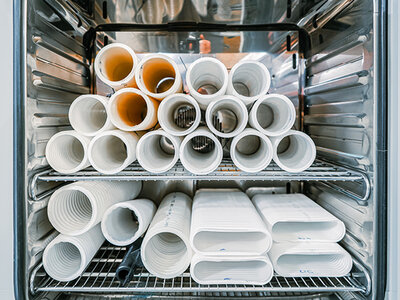
Multiple samples are tested simultaneously to verify consistent material properties and manufacturing quality.
This helps ensure that components deliver the same reliable performance under identical conditions.
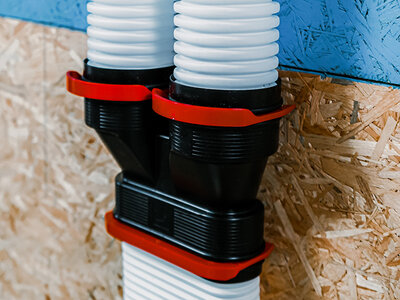
Airtight connections are essential for an efficient Air Distribution System.
This test verifies that joints remain securely sealed under pressure, minimizing unwanted leakage and helping maintain system performance.
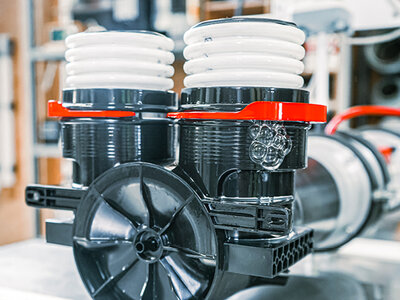
Airtightness is fundamental to efficient air distribution.
This test confirms that components maintain reliable sealing under demanding operating conditions, reducing unwanted air and energy losses.
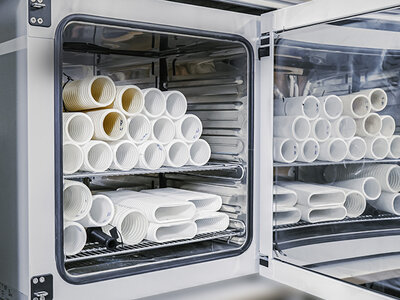
To verify long-term durability, ageing processes are accelerated through elevated temperatures and extended exposure.
This helps confirm that components retain their properties and performance over many years of operation.
Low pressure loss is essential for efficient air distribution.
This test measures how air flows through our components and allows our engineers to verify and optimise their pressure drop characteristics for consistent, energy-efficient performance.
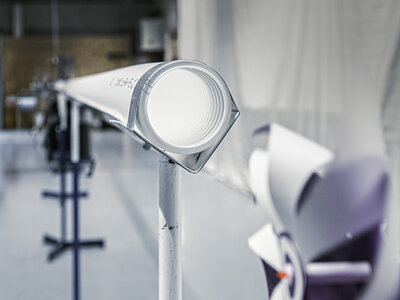
Visible smoke makes airflow patterns and air distribution behaviour observable.
This allows our engineers to analyse how air moves through and from components and optimise them for controlled, effective air distribution.

Rather than evaluating components in isolation, this test examines how they perform together as a complete Air Distribution System.
It verifies component interaction while also assessing the accuracy, reliability and practicality of installation under real-world conditions.
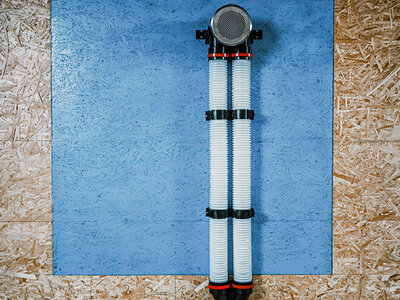
Repeated temperature changes simulate varying real-world conditions.
This test verifies that materials and connections remain stable and functional over time, helping ensure consistent component performance throughout their service life.
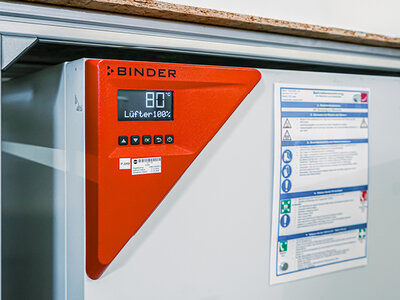
Mechanical stress and environmental influences can cause microscopic cracks in certain materials.
This test evaluates the resistance of components to stress cracking, helping verify their durability and long-term reliability.
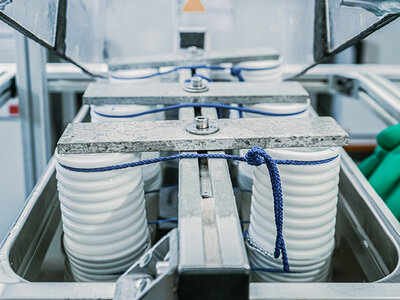
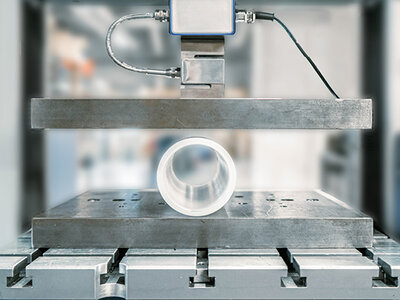
Components are exposed to mechanical forces during installation and use.
This test verifies their resistance to tension and compression, ensuring they retain their shape, connections and function under demanding conditions.
Multiple samples are tested simultaneously to verify consistent material properties and manufacturing quality.
This helps ensure that components deliver the same reliable performance under identical conditions.
Airtight connections are essential for an efficient Air Distribution System.
This test verifies that joints remain securely sealed under pressure, minimizing unwanted leakage and helping maintain system performance.
Airtightness is fundamental to efficient air distribution.
This test confirms that components maintain reliable sealing under demanding operating conditions, reducing unwanted air and energy losses.
To verify long-term durability, ageing processes are accelerated through elevated temperatures and extended exposure.
This helps confirm that components retain their properties and performance over many years of operation.
Low pressure loss is essential for efficient air distribution.
This test measures how air flows through our components and allows our engineers to verify and optimise their pressure drop characteristics for consistent, energy-efficient performance.
Visible smoke makes airflow patterns and air distribution behaviour observable.
This allows our engineers to analyse how air moves through and from components and optimise them for controlled, effective air distribution.
Rather than evaluating components in isolation, this test examines how they perform together as a complete Air Distribution System.
It verifies component interaction while also assessing the accuracy, reliability and practicality of installation under real-world conditions.
Repeated temperature changes simulate varying real-world conditions.
This test verifies that materials and connections remain stable and functional over time, helping ensure consistent component performance throughout their service life.
Mechanical stress and environmental influences can cause microscopic cracks in certain materials.
This test evaluates the resistance of components to stress cracking, helping verify their durability and long-term reliability.
Components are exposed to mechanical forces during installation and use.
This test verifies their resistance to tension and compression, ensuring they retain their shape, connections and function under demanding conditions.
Discover all Zehnder Air Distribution components and solutions for reliable, predictable and repeatable installations.

A high-performing ventilation system depends on more than quality components.
Zehnder services help ensure that your system performs as intended at commissioning and continues to do so throughout its lifecycle.
Make sure the installed system performs as planned. Professional commissioning includes functional checks, airflow measurement and adjustment to help achieve the intended system performance.
Over time, deposits can accumulate within the air distribution system. Professional assessment and cleaning help maintain a hygienic and well-performing system throughout its operating life.
Discover Zehnder services for every stage of your ventilation system's lifecycle.
The Zehnder Air Distribution System is developed and tested with the performance of the complete system in mind.
Components are systematically validated for factors such as airtightness, airflow, mechanical strength, durability and material behaviour. This approach helps ensure that individual components work together reliably and consistently – providing greater confidence from planning through installation and long-term operation.
Air Distribution components are tested to withstand the mechanical forces and conditions they may encounter during installation and use. Tests on connections, airtightness, mechanical strength and complete system assemblies help verify that components remain secure and perform as intended.
For installers, this means greater confidence in robust connections and durable installations.
Zehnder tests how Air Distribution components behave under controlled conditions, including their airflow characteristics, pressure loss and stability under changing temperatures.
This helps verify that components perform consistently and gives planners greater confidence in the performance they calculate and specify.
Serial construction depends on being able to reproduce the same solution with consistent results. Zehnder validates Air Distribution components for consistent quality and performance, including through pressure drop and multi-sample testing.
This helps ensure that standardized components behave consistently, allowing system solutions to be reproduced with confidence from one unit or project to the next.
Testing at the Zehnder Test Lab in Lahr covers a wide range of performance characteristics, including material consistency, airtightness, pressure drop, airflow behaviour, mechanical resistance, temperature stability and long-term ageing.
In addition to individual components, complete Air Distribution System assemblies are tested to evaluate how components work together and to assess installation accuracy, practicality and reliability under conditions that reflect real-world applications.
The tests provide greater confidence throughout the project process. Planners benefit from predictable component behaviour, installers from tested connections and reliable installation, and prefab or serial construction from consistent performance across repeated applications.
Together, these tests help ensure that the Air Distribution System performs as intended – not only as individual components, but as one complete system.
Yes. Zehnder specialists can support you with questions about the Air Distribution System, its components and their application in your project.
Contact your local Zehnder team to discuss your requirements and find the right solution for your application.
General Request
Contact FormOffer Request
Contact FormService & Spare Parts Request
Contact FormGeneral request
+49 (0) 123 45 67Offer Request
+49 (0) 123 45 68