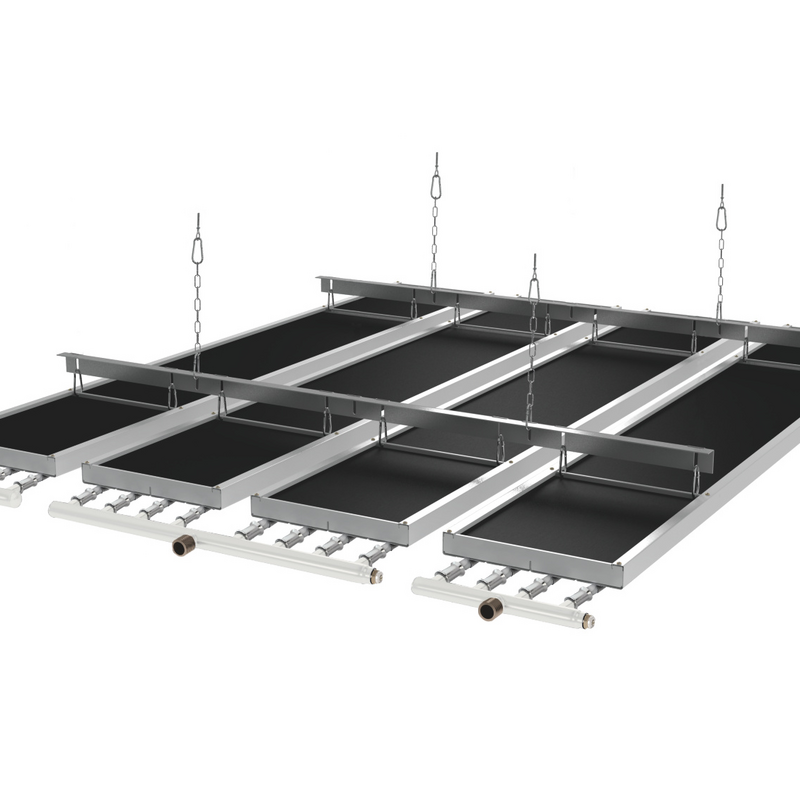
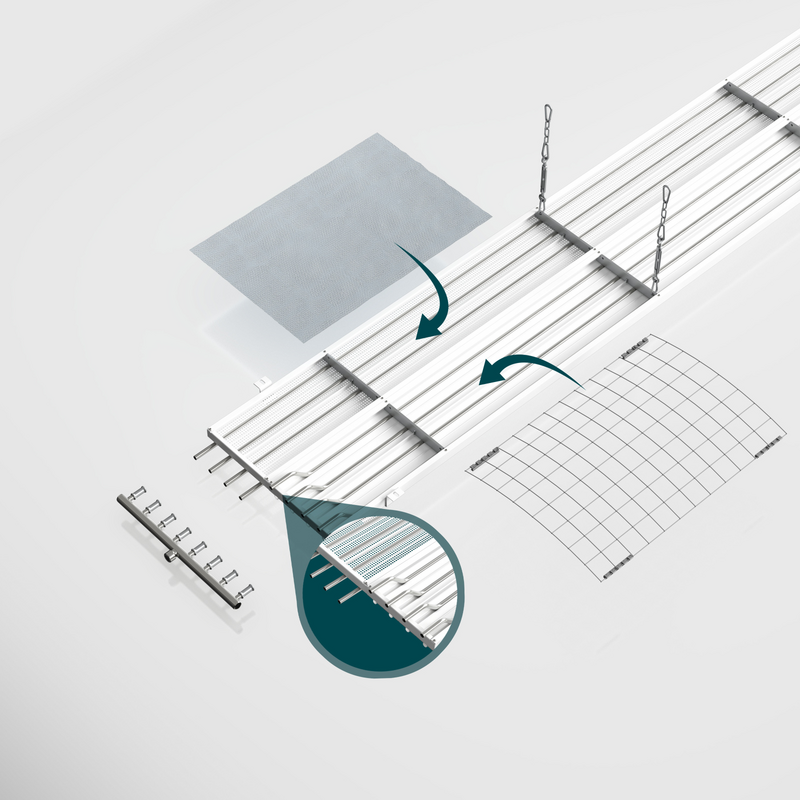
Rendering Zehnder ZIP Heating and cooling ceiling system Rear view
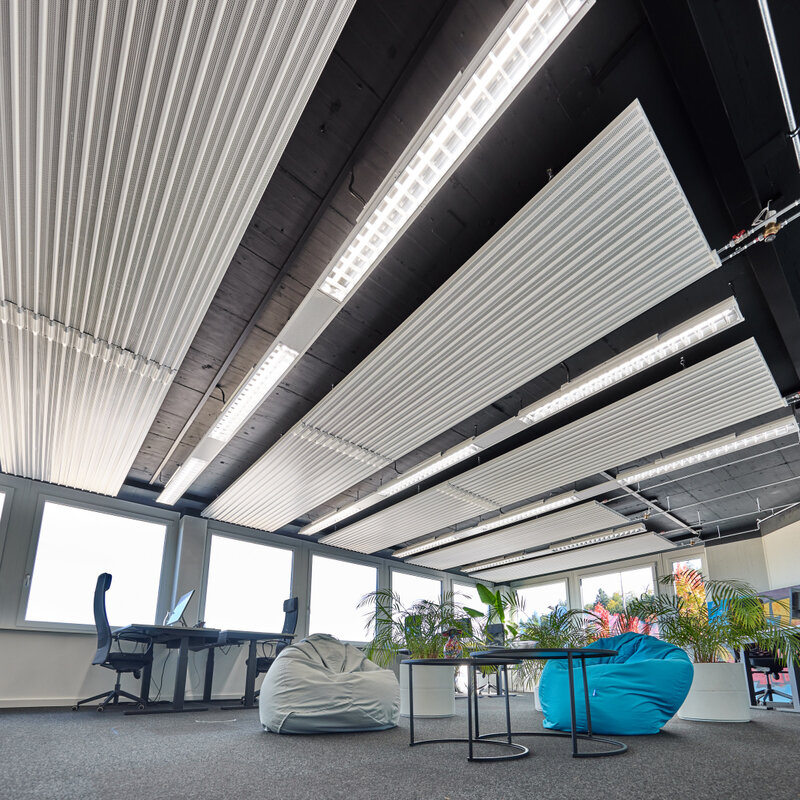
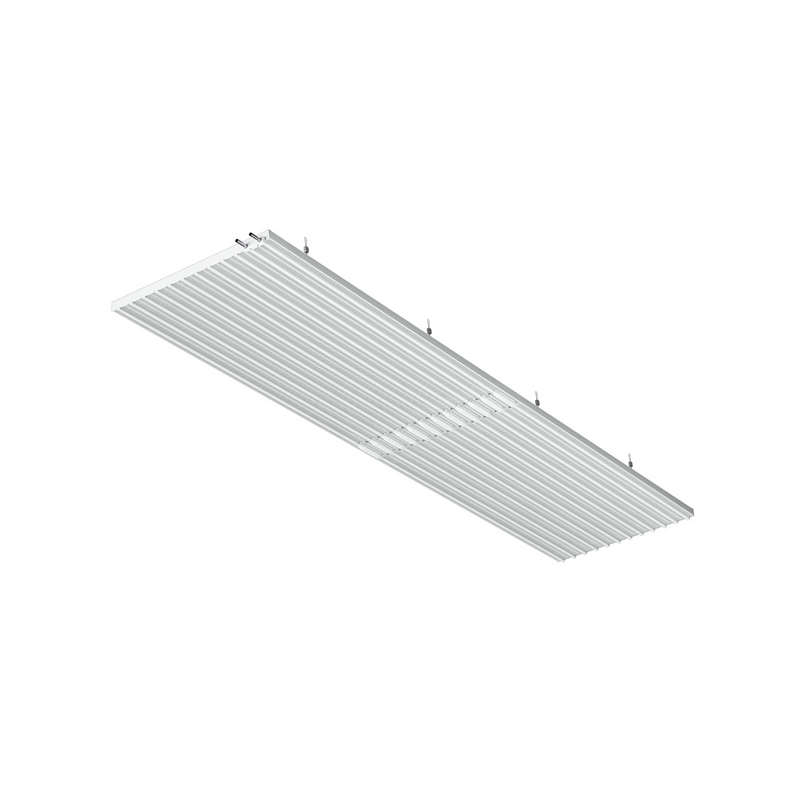
Cut-Out Zehnder ZFP Heating and cooling ceiling system Angled view
Cut-Out Zehnder ZFP Urban Heating and cooling ceiling system Angled view
Zehnder radiant ceiling panels

Heating and cooling from the ceiling

Ceiling heating and cooling are key components of modern, energy-efficient building technology. They enable rooms to be heated or cooled evenly whilst optimising energy consumption. Ceiling cooling systems offer a flexible and sustainable solution, particularly in commercial applications.

Ceiling heating as a modern climate solution

Ceiling heating systems are designed to heat rooms from above using radiant panels installed on the ceiling. These panels transfer warmth directly to people, surfaces and objects in the room. The result is a comfortable perceived temperature, even in large or high spaces.

Because the system is mounted overhead, it does not take up valuable floor or wall space. This gives architects, planners and building operators more freedom when designing interiors, arranging equipment or adapting the space for future use.

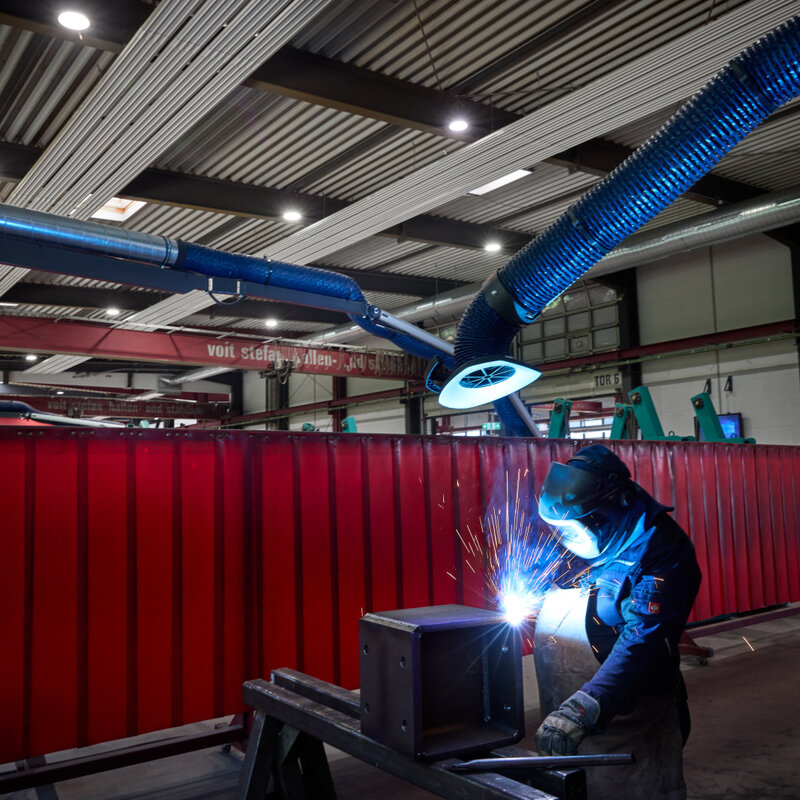
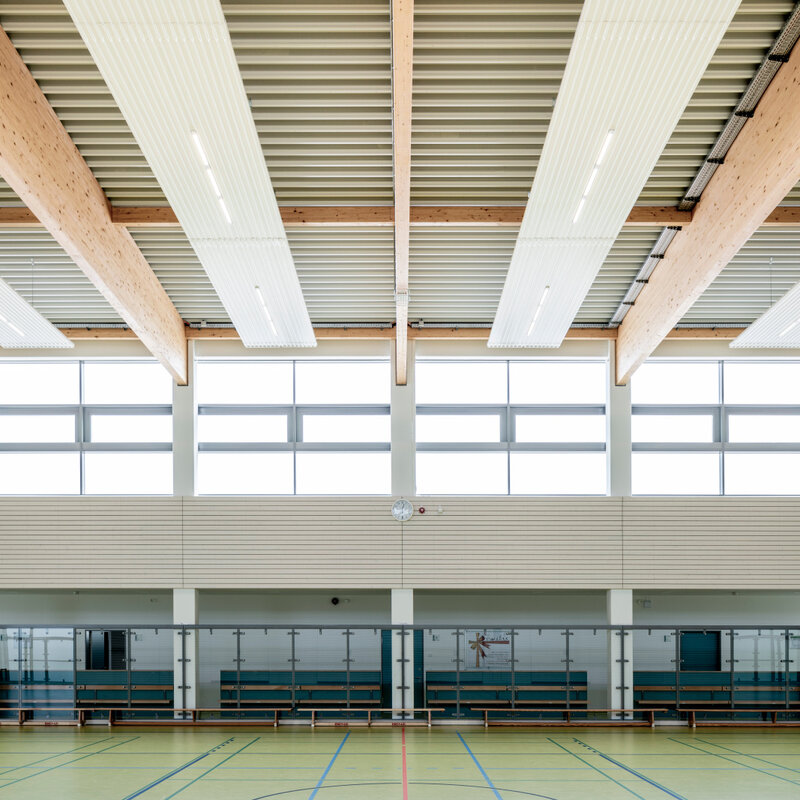
Ceiling heating is suitable for both new buildings and renovation projects. It can be used in production halls, logistics areas, warehouses, sports halls, offices, showrooms, schools and other public buildings.

Powerful performance for different building types

Ceiling heating provides reliable warmth in winter and can also contribute to comfortable cooling in summer, depending on the system design. This makes it a flexible solution for buildings that need stable indoor temperatures throughout the year.

In large spaces, traditional air-based heating systems often lose efficiency because warm air rises and collects under the roof. Ceiling heating reduces this problem by delivering radiant warmth directly into the occupied area. People feel the warmth where they actually need it.


Ceiling heating can help buildings achieve:

  • Even temperature distribution
  • Comfortable warmth without draughts
  • Quiet operation
  • Reduced air and dust movement
  • More usable wall and floor space
  • Lower energy demand
  • A clean and flexible interior design
Quick and easy explanation:

How ceiling heating and cooling work

Radiant technology behind ceiling heating

Ceiling heating works through thermal radiation. When the system is in heating mode, warm water flows through pipes inside the ceiling panels. The panels then radiate heat into the room from above. This heat does not primarily warm the air. Instead, it warms people, floors, walls, machines, furniture and other surfaces directly. These surfaces then help maintain a stable and pleasant room temperature. When used for cooling, the process is reversed. Cooler water flows through the panels, allowing the system to absorb heat from the room. This creates a comfortable cooling effect without cold air streams, fans or disruptive airflow.

The result is a balanced indoor climate that feels natural, quiet and comfortable.


Function principle: Radiant heating

Function principle: Radiant cooling

A clear path from planning to operation

Every ceiling heating project starts with understanding the building, its use and its climate requirements. The right solution depends on room height, insulation, occupancy, energy source, operating hours and the desired level of comfort. A professional project journey usually includes consultation, technical planning, system design, installation and commissioning. This structured process helps ensure that the ceiling heating system fits the building and performs efficiently from day one.

With expert planning, ceiling heating becomes more than a technical installation. It becomes a complete climate solution designed around the building, the people inside it and the long-term goals of the project.

FAQ

Ceiling heating with radiant ceiling panels does not primarily heat the room air, but uses the principle of radiant heat. Heat is emitted from the ceiling as infrared radiation and reaches surfaces, objects and people in the room. This creates an even and pleasant distribution of heat which is comparable to the warmth of the sun on a cold winter day.

Yes, depending on the system, ceiling panels can also be used as ceiling cooling. During cooling, the radiant ceiling panels absorb heat from the room and transfer it to the water-bearing pipe system. The cool water removes heat from surfaces and objects, creating a pleasant indoor climate, without strong air movement.

A ceiling cooling system is water-based and, unlike many air conditioning systems, does not require conventional refrigerants. It also avoids unpleasant draughts, as temperature control is mainly achieved through radiant heat transfer. Another advantage: ceiling heating is installed on the ceiling, keeping walls and floors free.

Condensation can occur during cooling if temperature and humidity interact unfavourably. Radiant ceiling panels for cooling are therefore controlled via temperature and humidity sensors to prevent this from happening. This ensures controlled cooling operation and reliably prevents condensation.

Yes, ceiling heating in combination with a heat pump is particularly suitable. Both systems are water-based and can be efficiently connected. Thanks to comparatively low flow temperatures, ceiling heating is well suited to modern, energy-efficient building concepts using renewable energy.

Ceiling heating offers several advantages: it ensures an even temperature distribution, operates without noticeable draughts and creates a pleasant indoor climate. In addition, floors and walls remain free of radiators or air conditioning units. Compared to systems such as air heaters, gas-fired radiant heaters or air conditioning systems, ceiling heating can also significantly reduce energy consumption.

Ceiling heating is particularly suitable for large room volumes and commercial applications, such as industrial halls, logistics halls, production areas, sports halls, retail spaces, offices or public buildings. Especially where even temperature control, energy efficiency and free usable space are important, radiant ceiling panels offer a flexible solution.

Yes, radiant ceiling panels can be combined with integrated lighting. This allows ceiling heating, cooling function and lighting to be combined in one space-saving system. The result is a functional and visually clean solution for commercial spaces, halls or public buildings.

Everything you need...
... just one click away
Downloads
Planning documents, reference brochures and technical information all available on one page.
Contact
Find your personal Zehnder contact person, get in touch and make your project a success!
Any questions? Please send us a message.

General Request

Contact Form

Offer Request

Contact Form

Service & Spare Parts Request

Contact Form
Any questions? Feel free to give us a call.

General request

+49 (0) 123 45 67

Offer Request

+49 (0) 123 45 68

Service & Spare Parts Request

Mo - Fr: 7.30 am - 5 pm

+49 (0) 123 45 69
MyZehnder Portal

Enjoy from benefits on our MyZehnder portal. Login with your known credentials or register the first time.